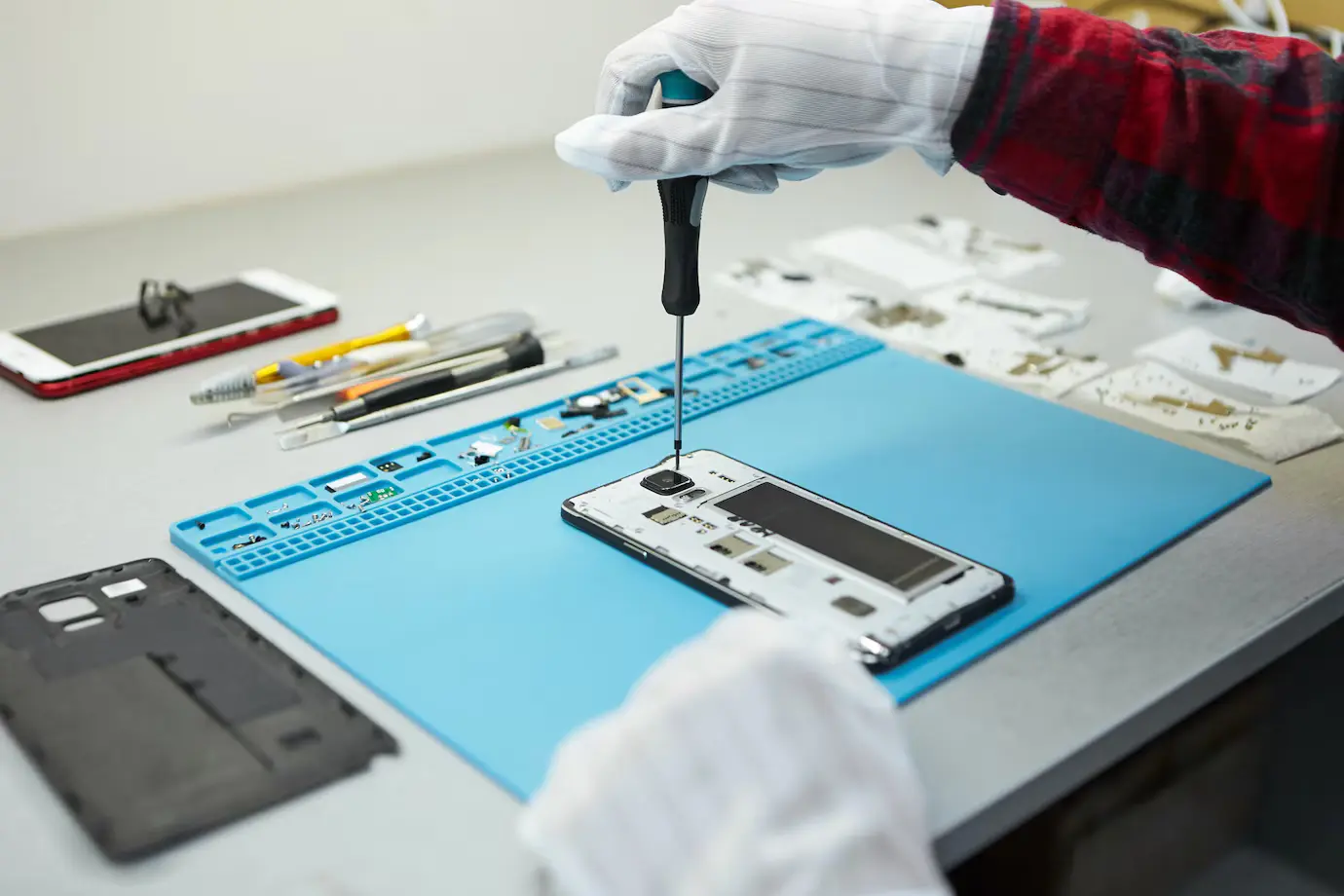

Define a few clear statuses
Separate incoming, inspected, verified-for-a-stated-use and uncertain stock. These are proposed workshop labels, not claims about a particular supplier’s quality system. A part’s status should say what has actually been checked and by whom.
Keep the identity with the part
Record the part reference, compatible application and relevant receipt or job reference in the private inventory. Do not place an unlabelled removed assembly beside verified comparison stock. If an item behaves unexpectedly, change its status until the uncertainty is assessed.
Use a classroom stock exercise
Ask students to organise a fictional set of labelled parts and explain which could support a diagnostic comparison. Include one item with missing identity and one with an unexplained return. The lesson is traceability: a low price or a clean appearance cannot replace evidence that a part is suitable for the intended task.
A returned assembly still looks new
Keep its status uncertain until the relevant checks are completed. Appearance does not establish why it was returned or which functions work. Retaining a traceable status prevents the item from becoming misleading evidence in another diagnosis.
Your practice record
- Status reflects completed checks
- Identity and use retained
- Uncertain items separated
- Review responsibility assigned
Repair procedures involve heat, electricity, fragile parts and customer data. Practise under qualified supervision and work only on devices you are authorized to service.