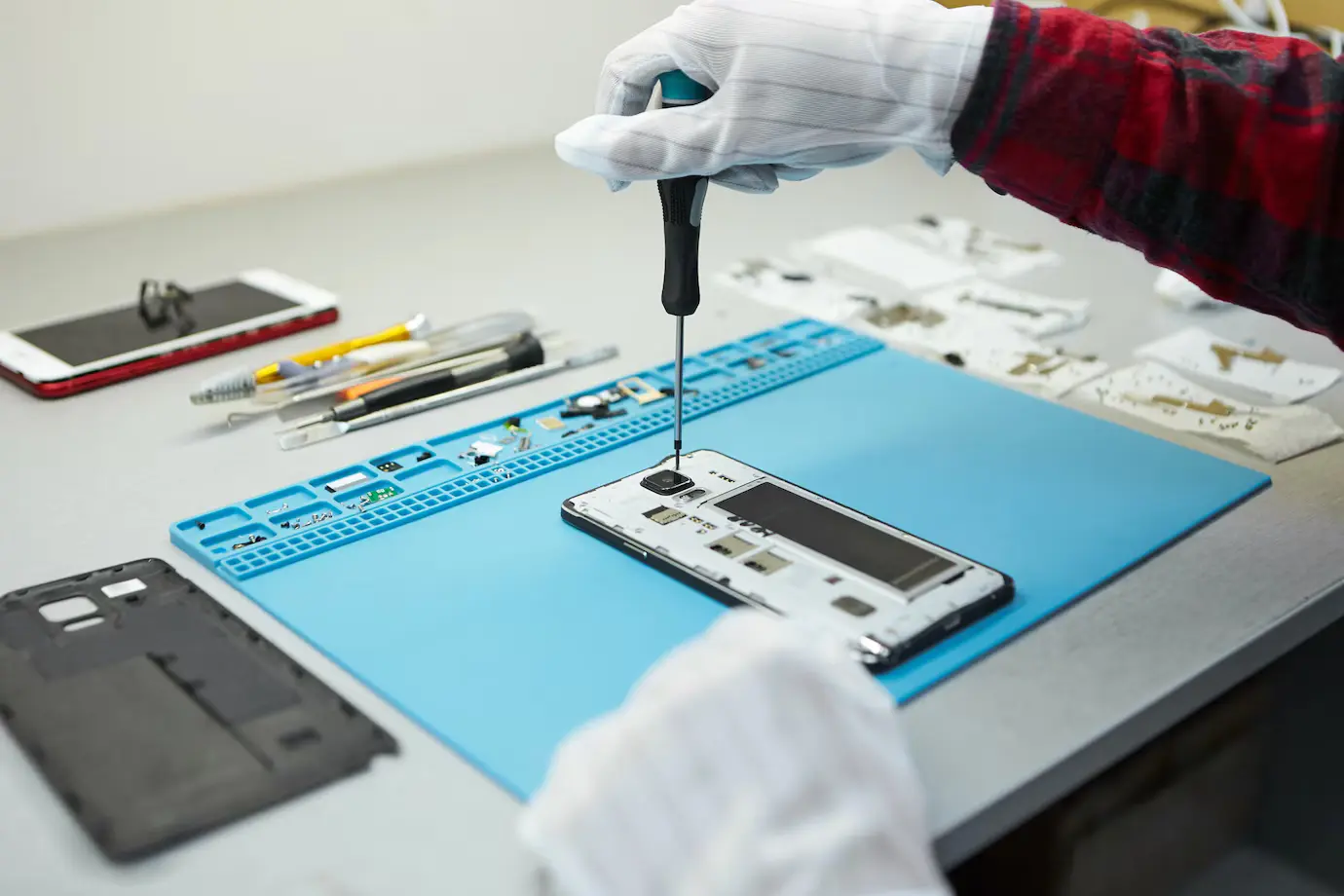

Define the task and permitted help
Before an exercise, agree on the learning objective, approved material and supervision. State whether the student is following a demonstration or choosing a next step. These conditions affect what the result can demonstrate.
Use four review areas
Review preparation, diagnostic reasoning, physical execution and final verification separately. A student may handle a tool carefully while needing help explaining the diagnosis, or reason well while still developing practical control. One overall “good” mark hides that useful feedback.
Turn feedback into another exercise
Record one observed strength and one specific correction, then choose an appropriate follow-up task with the instructor. This is a proposed learning rubric, not a description of Chip Craft’s formal certificate assessment. Ask admissions for the actual programme’s assessment process and criteria.
The result looks neat but verification was skipped
Record the execution observation separately from the missing verification. The exercise may show improvement in one skill while leaving another unassessed. A useful rubric preserves that distinction instead of issuing a single enthusiastic pass.
Your practice record
- Task and assistance level
- Preparation and reasoning observations
- Execution and verification observations
- Specific next exercise
Repair procedures involve heat, electricity, fragile parts and customer data. Practise under qualified supervision and work only on devices you are authorized to service.