Visit the workshop before deciding
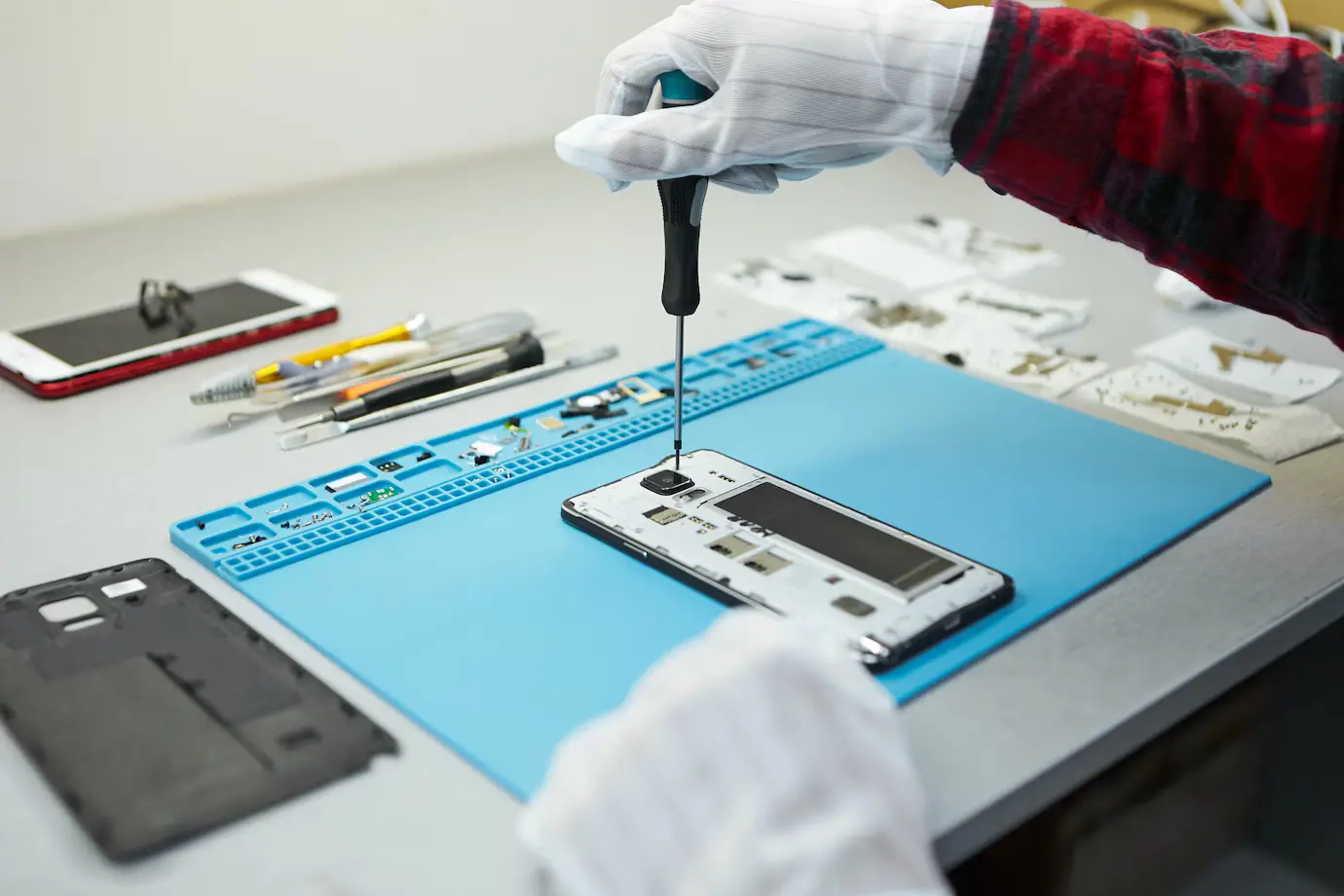
A repair course is a physical skill. Ask to see where students practise, which devices they work on, and how an instructor checks their diagnosis before they apply heat or replace parts. A demonstration is more useful than a long list of tools in an advertisement.
During your visit, ask how much time is spent on supervised practical work, whether beginners can repeat tasks, and how faults on real devices are documented. If a batch is already running, observe how questions are answered.
- See the training benches
- Ask to observe a lesson
- Check how students handle real faults
- Ask how practical work is assessed
Compare the learning path, not only the course name
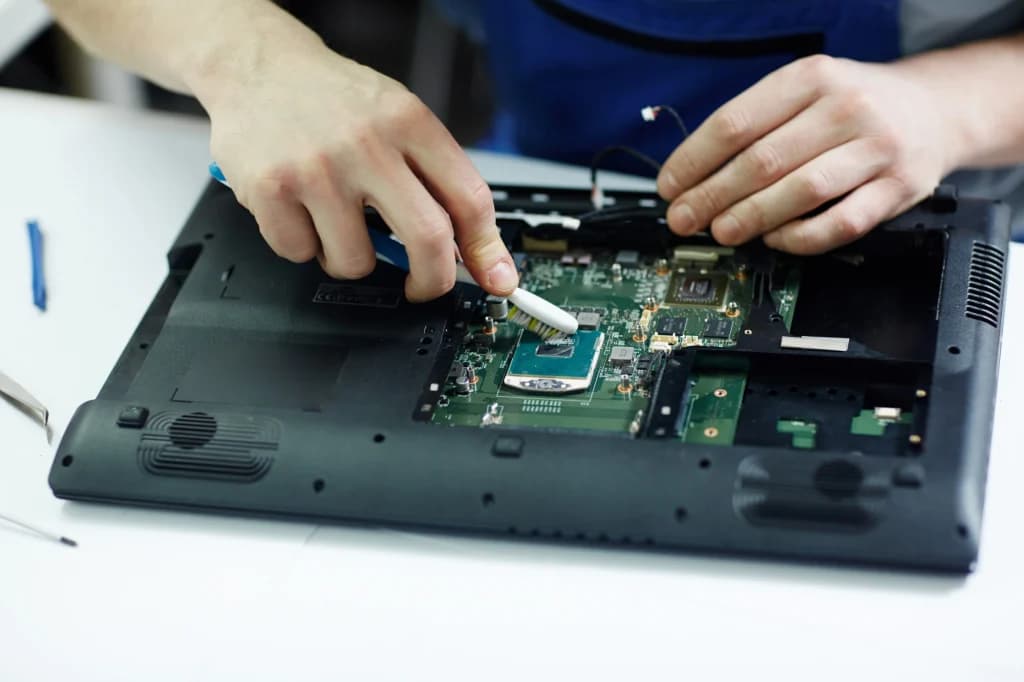
Mobile and laptop repair both require safe disassembly, electrical measurement and a methodical way to isolate faults. The details then diverge: mobile courses may cover charging, display, network and firmware issues, while laptop courses may spend more time on power rails, BIOS, keyboards, displays and motherboard diagnosis.
If you are new to electronics, check that the course starts with components, safety, multimeter use and guided practice before advancing to board-level work. If you already repair devices, ask which modules add skills you do not yet have.
Get the practical details in writing
Before paying, confirm the current total fee, what tools or materials are included, the number and length of sessions, the batch timetable, the certificate issuer and any assessment requirements. Ask what happens if you miss a class or need extra practice.
Treat placement support as assistance with skills, applications and opportunities rather than a guaranteed job. Request specific examples of what the institute actually provides.
- Current fee and payment terms
- Batch days and hours
- Practical access and tool use
- Certificate and assessment details
- Nature of career support
Choose teaching that fits your starting point
A good course should explain technical ideas in language you can follow and give you enough guided practice to build confidence. If you have limited formal education, ask whether the academy offers a slower, step-by-step batch and how instructors support reading, diagrams and measurements.
Chip Craft Academy offers a special batch for students with limited formal education. Contact admissions to confirm its current schedule and visit the Ghaziabad centre before choosing a program.
Repair procedures involve heat, electricity, fragile parts and customer data. Practise under qualified supervision and work only on devices you are authorized to service.