Agree on roles before the exercise
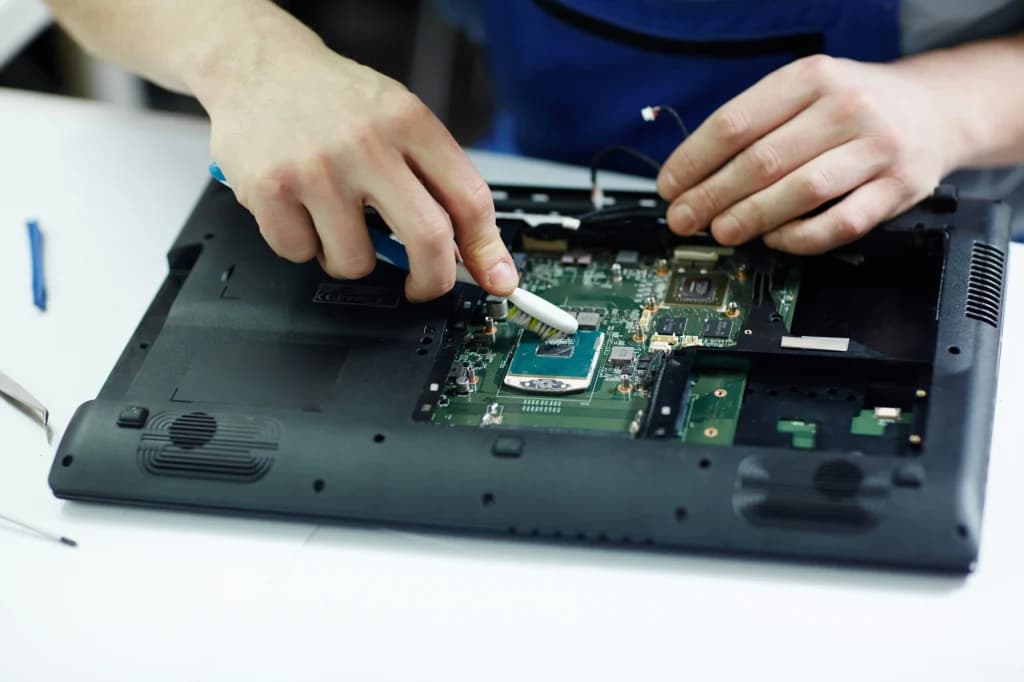
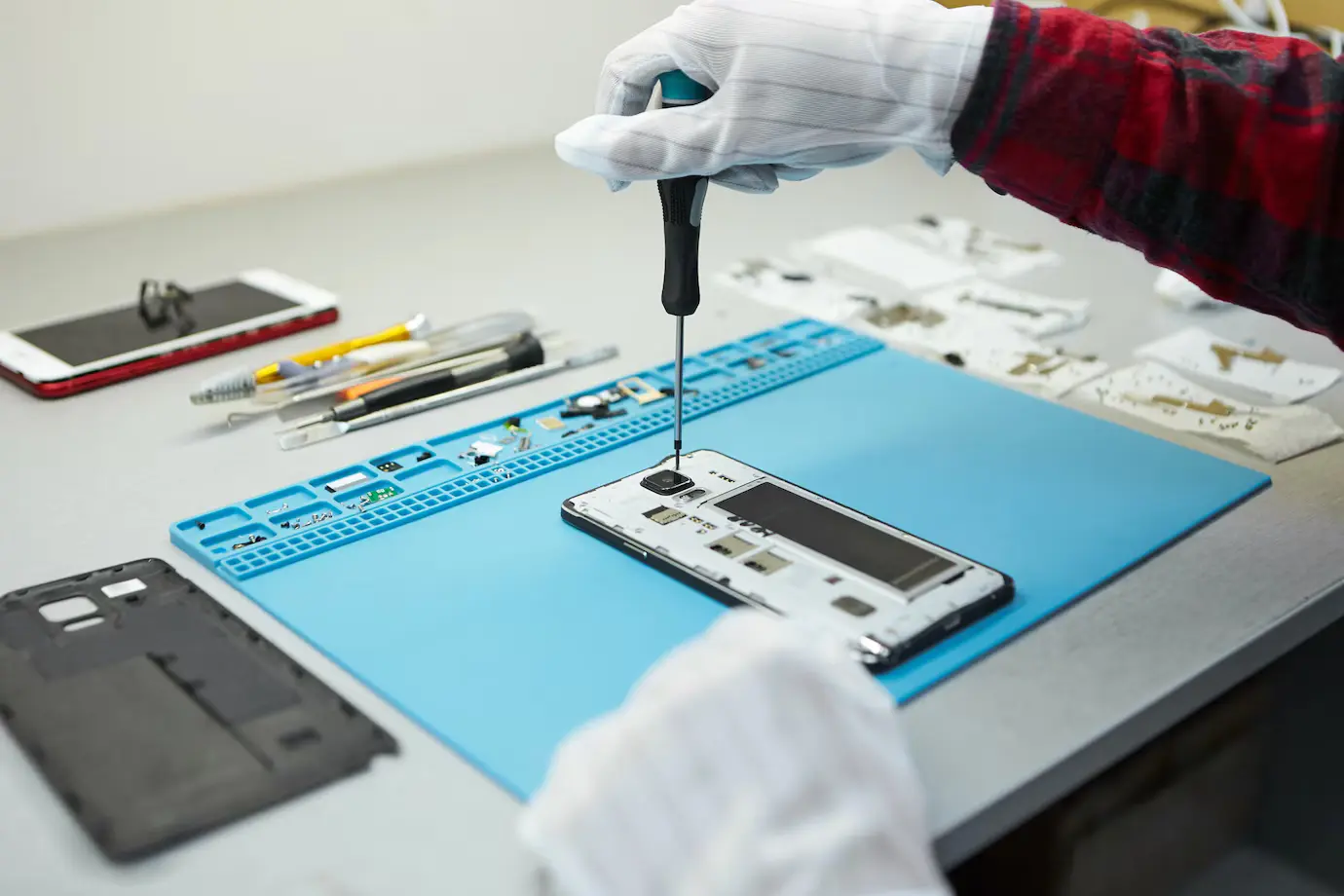
On approved training material, decide who performs the permitted task and who records observations. The observer should know the learning objective and preparation criteria. Two beginners working together still need the supervision required for the operation.
Describe visible actions
Useful feedback identifies what happened: a reference was omitted, a screw position was not recorded or the final check was skipped. Avoid vague judgements about talent. If the observer does not understand a technical action, write a question for the instructor instead of issuing an improvised correction.
Review and switch roles
Compare the notes with the instructor’s feedback, then repeat an appropriate task with roles exchanged. Keep the focus on evidence and improvement. Peer agreement does not certify that an electrical procedure is safe, a diagnosis is correct or a student is ready for unsupervised customer work.
A peer disagrees with your test choice
Ask each person to state the question and supporting evidence, then take the unresolved point to the instructor. Confidence or majority opinion does not validate a technical procedure. Record the correction so the disagreement improves the next exercise.
Your practice record
- Roles and objective
- Observable feedback only
- Technical questions escalated
- Instructor review before repetition
Repair procedures involve heat, electricity, fragile parts and customer data. Practise under qualified supervision and work only on devices you are authorized to service.