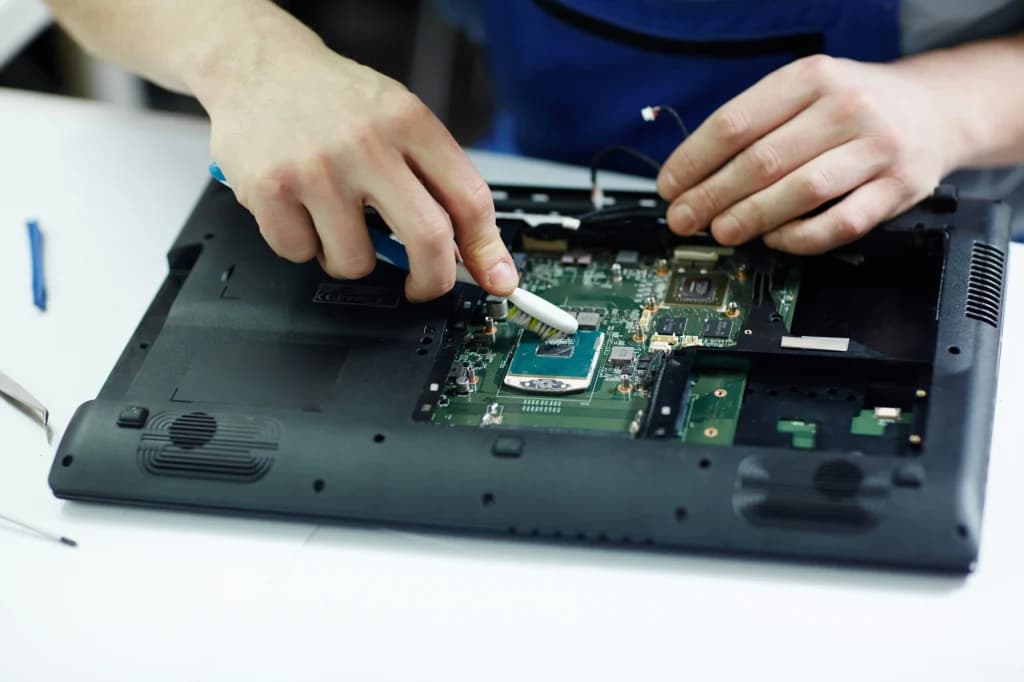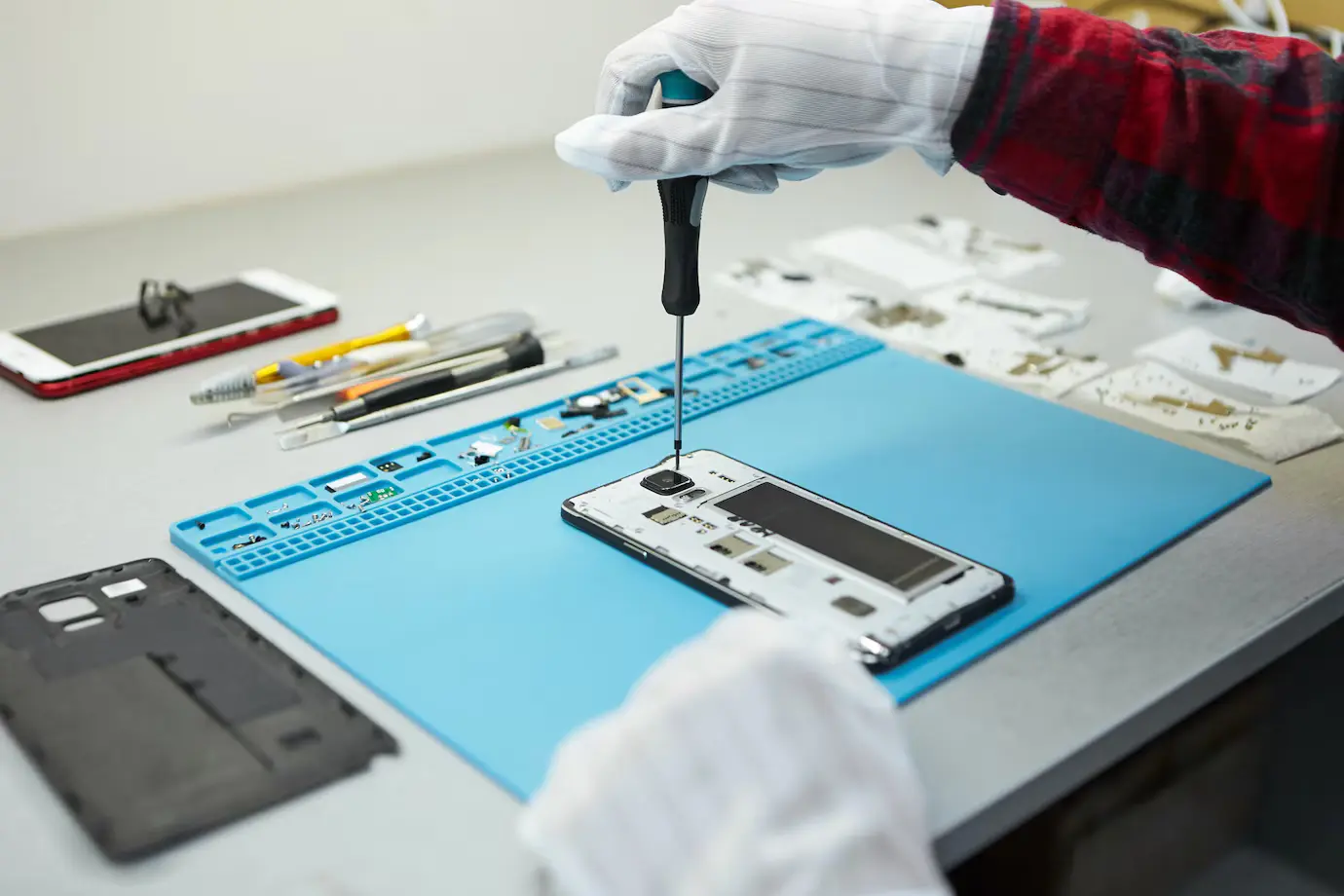
Start with the activity and environment
Warmth during a demanding task does not, by itself, identify a damaged component. Ask whether the phone was recording video, navigating, restoring data, updating or charging, and whether it was in direct sun or a poorly ventilated place. Record the activity instead of judging the device only by how it feels in one moment.
Apple explains that iPhone temperature management can slow or stop charging, reduce performance and change display behaviour. A temperature warning is a reason to follow the manufacturer's cooling guidance. It is not a reason to defeat a protection mechanism or keep repeating the same heavy workload.
Let the device return to ordinary conditions
Stop the demanding activity, move away from direct sun and follow the device maker's instructions. For an iPhone temperature warning, Apple's advice includes switching the device off and allowing it to cool. Avoid refrigerators, ice, liquids or other improvised rapid-cooling methods.
Once the phone is suitable for use again, note whether the behaviour returns during an ordinary light task. Keep the test short and observed. A case, charger or app can be part of the history, but removing several variables at once will not show which one mattered.
Record repeatable clues without opening the phone
Useful observations include whether warmth begins only while charging, whether the phone is idle or active, and whether the issue followed a fall, spill or previous repair. Do not touch an exposed circuit to locate a hot component. Internal diagnosis belongs on an appropriately equipped bench with model-specific information.
A report that says 'warms during camera recording, then returns to normal after the task ends' describes a pattern. A report that says 'becomes unusually hot while idle after a liquid incident' describes a different pattern. Neither justifies guessing an IC name from a social-media repair video.
Separate a troubleshooting visit from an emergency
Visible swelling, smoke, an unusual smell or physical battery damage calls for stopping use and obtaining qualified help. Do not continue charging to check whether the symptom happens again. If immediate danger is present, keep people away and use the appropriate local emergency response.
For an ordinary service enquiry, take the observation log and the charger used when the issue occurs. Ask the technician to distinguish what was reproduced from what remains uncertain. A responsible diagnosis connects the operating conditions, inspection and test results before recommending a repair.
Sources and further reading
Manufacturer and technical references for the checks discussed in this guide. Follow the instructions for your exact device and equipment.
Repair procedures involve heat, electricity, fragile parts and customer data. Practise under qualified supervision and work only on devices you are authorized to service.